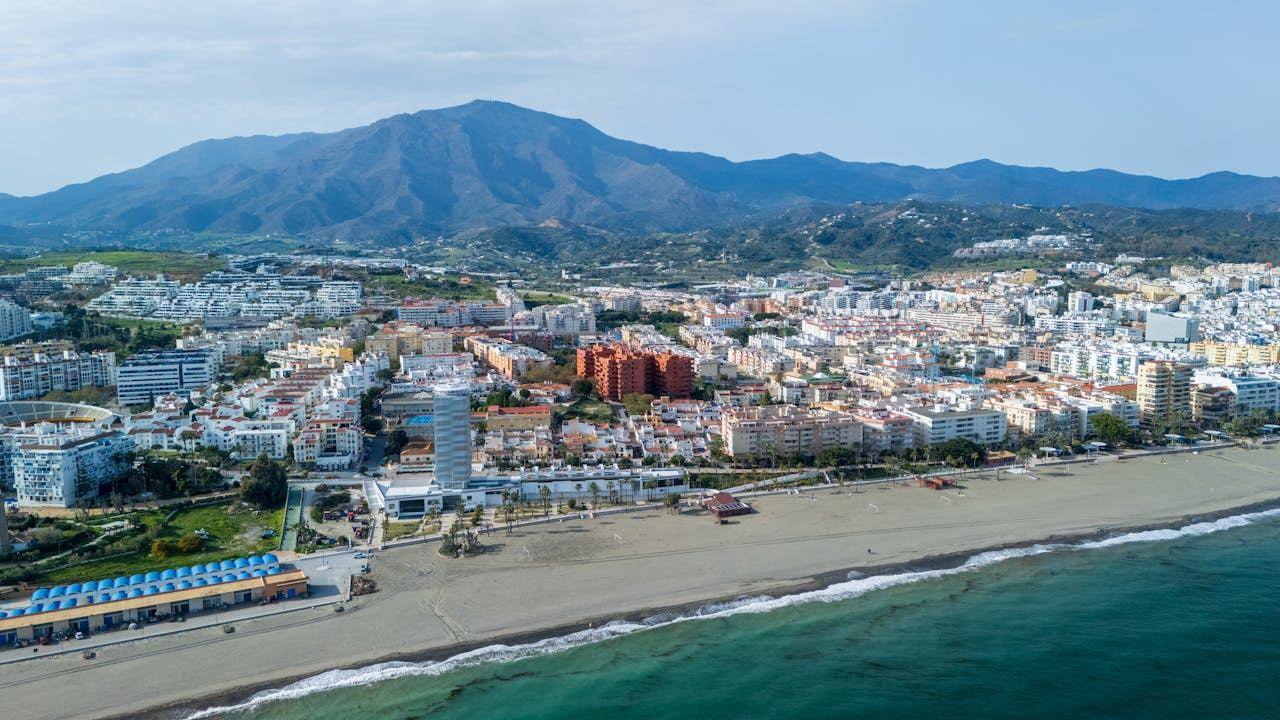
Málaga city rents differently from the rest of the Costa del Sol — it's a year-round city-break market layered with cultural and event peaks, rather than a beach-season pattern. Pricing follows accordingly.
City-break demand smooths out summer
July and August are strong but not dominant in Málaga in the way they are in Benalmádena or Mijas. The cultural and short-break audience books across the calendar, and the Picasso Museum and Centro Pompidou keep demand steady through autumn and spring. That said, August in Málaga can be intense — locals leave, tourists arrive, and the city centre is genuinely busy. Pricing should reflect that.
The properties that hold the strongest summer pricing in Málaga are walkable-centre apartments — Soho, Centro Histórico, La Malagueta near the beach. The newer developments at the eastern end (El Limonar, Pedregalejo) attract a slightly different audience: families and longer stays, less city-break.
Easter, Cruces de Mayo and the Feria de Málaga set the peaks
Three event windows price differently from regular weeks. Semana Santa (Easter week) is one of the strongest weeks of the year for Málaga rentals — religious processions draw both Spanish domestic and international visitors, and demand peaks across the entire centre. The Cruces de Mayo in early May produces a smaller but real spike. The Feria de Málaga in mid-August is the city's biggest event of the year and prices accordingly.
In our experience, owners who don't event-price these three windows leave significant revenue on the table. We layer event uplifts on top of the base nightly rate for these specific weeks — usually with a minimum-stay attached.
Shoulder months reward dynamic pricing
October through December and February through April are city-break peaks for Málaga. Direct flights from Northern Europe stay frequent, the museums and cathedral are uncrowded, the climate is mild, and short-stay travellers happily book three- or four-night midweek stays. The pricing strategy here is closer to a city hotel than a beach holiday let — dynamic, looking at the day-of-week mix, attentive to event listings.
Winter long-stay is genuine in Málaga
January, February and parts of November are quieter for short-stay tourism but stronger for long-stay than people realise. The year-round expat market — Northern European retirees, remote-working professionals, Erasmus students in spring — books one-month-plus stays in El Limonar, Pedregalejo, and the Centro fringe. The property type matters: lift, parking, heating make a unit long-stay-viable; their absence rules it out.
The honest pricing summary for Málaga: it's the most "city" market on the Costa del Sol, with city-style demand patterns. Owners who treat it like a beach property tend to under-price the shoulders and over-price the summer. Specific income context for a comparable property is what we share at the discovery call — real numbers, not averages.
Personally reviewed and approved by Maarten Glaser — owner of Glaser Group: real estate, rental management and investments.